
Please Choose Your Language
Views: 0 Author: Site Editor Publish Time: 2026-09-25 Origin: Site
Procuring capital equipment often feels like navigating a maze blindfolded. B2B pricing remains notoriously opaque across the manufacturing sector. Sticker prices for finishing equipment range wildly from vendor to vendor. You might feel frustrated trying to lock down a realistic budget for your shop floor. Guessing these financial variables often leads to costly mistakes. You might over-specify machinery and waste capital. Conversely, you might under-equip your facility and create production bottlenecks.
We built this guide to help you cut through the confusion. You need transparent baseline ranges to make informed decisions. We will break down exact pricing tiers for various fabrication requirements. You will also uncover hidden implementation factors hiding beyond the initial invoice. Finally, we offer a clear framework for evaluating different vendor quotes. By the end of this article, you will know exactly how to assess and budget for your next major equipment purchase.
Base Ranges: Entry-level models start around $3,000–$10,000, while high-capacity, multi-head automated systems can exceed $50,000–$120,000.
Primary Cost Drivers: Operating width, number of sanding heads, and automation significantly dictate the baseline metal sanding machine price.
Hidden TCO: Dust collection, consumable abrasives, and facility power upgrades often add 15–30% to the initial equipment investment.
Application Rules: Investing in wet sanding vs. dry sanding impacts not only upfront cost but long-term combustible dust compliance and safety protocols.
Understanding market pricing begins by categorizing equipment into distinct production tiers. Each tier serves a specific operational volume and material requirement. You should align your budget with your actual daily throughput. Overbuying wastes capital. Underbuying guarantees rapid machine wear and operator frustration.
Entry-level models provide essential finishing capabilities for small operations. They typically feature narrow abrasive belts ranging from 6 to 24 inches wide. You will primarily find single-head configurations in this bracket. Operators must manually feed parts into the machine. These units rely exclusively on dry sanding mechanics.
Small job shops benefit most from this tier. They handle occasional deburring tasks perfectly. Low-volume finishing runs fit well within their duty cycles. However, you must monitor operator fatigue. Manual feeding introduces inconsistencies if you process hundreds of parts daily. Structural frames remain relatively light, meaning they cannot withstand aggressive, continuous 24/7 grinding.
Scaling up production requires heavier machinery and smarter controls. Mid-range units feature operating widths between 36 and 43 inches. They often utilize dual heads. A common setup pairs a primary contact drum with a secondary finishing brush. Variable speed feed conveyors allow operators to dial in the exact processing time per part. Automated thickness adjustments ensure repeatable results across multiple shifts.
Justifying the automated sanding machine cost at this tier comes down to labor reduction. You eliminate manual hand-finishing hours. The machinery delivers consistent surface finishes regardless of which operator runs the shift. This reliability reduces scrap rates significantly. Shops transitioning from manual grinding to semi-automated production usually see rapid returns on their investment here.
Industrial giants operate in this top-tier bracket. These machines boast widths exceeding 50 inches. They house three to four independent sanding heads. Integrated coolant systems handle wet processing seamlessly. You will also find advanced planetary brush systems designed for multi-directional edge rounding.
Facilities expect to run these machines continuously. High-volume sheet metal grinding machine price points reflect massive steel frames and heavy-duty motors. Aerospace and medical manufacturers rely on them for flawless grade finishing. The internal components resist corrosion from coolants. Precision dial indicators hold tolerances to fractions of a millimeter. When your contracts demand perfection at high volumes, you must invest in this tier.
Cost Tier Comparison Chart
Equipment Tier | Price Range | Belt Width | Ideal Use Case |
|---|---|---|---|
Entry-Level | $3,000 – $15,000 | 6" - 24" | Small job shops, occasional deburring |
Mid-Range | $15,000 – $45,000 | 36" - 43" | Automated production, dual-head finishing |
Heavy-Duty | $45,000 – $120,000+ | 50"+ | 24/7 continuous aerospace/medical processing |
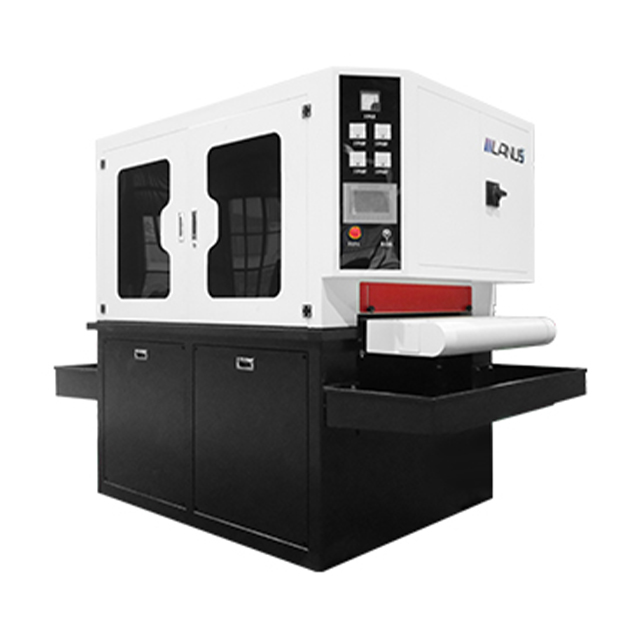
Several technical specifications directly manipulate the final metal sanding machine price. You must evaluate these features carefully. Only pay for the capabilities your specific parts require.
Conveyor bed width stands as the most obvious cost driver. Broader beds demand fundamentally different engineering. Manufacturers must build heavier, more rigid frames to prevent vibration. They install much larger drive motors to pull wider abrasive belts effectively. Tensioning cylinders scale up in size and complexity. If your widest part measures 24 inches, buying a 50-inch machine wastes valuable capital. Always size the machine slightly above your largest common part footprint.
Adding secondary or tertiary sanding heads increases capital expenses sharply. However, multi-head systems slash material handling time. A single-pass machine accomplishes multiple tasks simultaneously. Head one might use a stiff drum for heavy slag removal. Head two could use a softer drum for linear graining. Head three might utilize a brush to soften sharp edges.
Operators push the part through once. Single-head machines force operators to change belts and run the same part three separate times. You pay more upfront for multiple heads. They pay you back daily through massive labor savings and increased throughput.
Choosing your operational environment fundamentally changes the machine architecture. Dry systems present a lower upfront cost. They feature simpler internal mechanics and standard steel components. However, processing combustible metals like aluminum creates severe hazards. You must pair dry machines with expensive, compliant dust collection systems to meet stringent OSHA and NFPA standards.
Wet systems cost more initially. Manufacturers must install coolant pumps and complex filtration units. Internal components require stainless steel to prevent rust. You must weigh these factors when evaluating a dry vs wet sanding machine. Wet machines drastically lower fire risks. They also handle mixed-metal processing safely. Coolant extends abrasive belt life by reducing heat friction.
Many buyers confuse general sanding with precision deburring. Standard sanding primarily removes vertical material thickness. It flattens surfaces and creates linear scratch patterns. Deburring specifically targets edge quality. It removes sharp burrs left by laser cutters or punches without altering the base material thickness.
This functional difference creates a noticeable cost variance. Specialized deburring machinery utilizes complex rotary blocks or planetary brushes. These heads spin while oscillating laterally across the part. The mechanical complexity means industrial deburring machine cost often runs 20% to 40% higher than standard drum sanders of identical widths.
You should base this investment on strict downstream requirements. Do sharp edges cause worker injuries during assembly? Does your powder coating flake off because paint cannot adhere to sharp corners? Do you need to meet tight aerospace edge tolerances? If yes, invest in dedicated deburring technology. If you only need surface leveling, stick to standard drum sanders and save the capital.
A machine's invoice rarely reflects the final implementation check you will write. We see shop owners overlook facility preparation constantly. You must budget for these mandatory environmental upgrades before the delivery truck arrives.
Power and Electrical
Industrial wide-belt machines consume massive amounts of electricity. A typical multi-head unit draws significant amperage. Your facility must supply robust 3-phase, 480V power. Running new electrical drops from your main breaker panel costs money. Sometimes, shops need entirely new transformers to handle the sudden load increase. Budget a few thousand dollars for licensed electricians to wire the system properly.
Dust Collection & Filtration
You cannot operate finishing equipment without managing the debris. Safety mandates strict containment. A dedicated wet downdraft table mitigates sparks efficiently. If you choose dry processing, you need a heavy-duty dust collector equipped with explosion panels. Standard shop vacuums will not survive industrial grinding. Depending on your required CFM (Cubic Feet per Minute), budget between $5,000 and $25,000 for proper air filtration systems.
Consumables
High-quality abrasive belts degrade through friction and heat. They represent an ongoing operational expense. Harder materials like stainless steel consume belts much faster than mild steel or aluminum. Factor your monthly abrasive replacements into your operational budget. Using cheap belts saves pennies but ruins parts. Always buy industrial-grade abrasives matched to your specific metal type.
Rigging and Freight
Heavy machinery requires specialized transport. You cannot move a 6,000-pound sander in a standard box truck. You must hire specialized flatbed freight services. Upon arrival, professional riggers need to unload, position, and level the equipment. Forklift rentals and rigging crews add unavoidable expenses to the final project tally.
Where you buy dictates the support you receive. You basically have two avenues for acquiring industrial finishing equipment.
Purchasing brand-new equipment directly from a reputable sanding machine manufacturer provides peace of mind. You get exactly what you need.
Pros: You receive comprehensive warranties. The factory builds custom configurations for your exact parts. They provide onsite operator training. You gain direct access to lifetime engineering support.
Cons: You will face premium pricing. Build schedules often dictate longer lead times, sometimes stretching out several months.
The used market offers aggressive discounts. However, it carries substantial risk for the uninformed buyer.
Pros: Machines sit ready for immediate freight. You capture significant capital savings, frequently paying 30% to 50% below retail prices.
Cons: You inherit the previous owner's deferred maintenance.
Evaluate used machines aggressively before purchasing. Check the contact platens for deep grooving and wear. Inspect the main conveyor belt for cuts and degradation. Ensure the proprietary electronics are not obsolete. Lack of factory support can turn a cheap machine into an expensive paperweight quickly.
Do not let the sheer volume of options paralyze your procurement process. Follow this straightforward framework to narrow down your choices confidently.
Define the primary bottleneck: Determine exactly what slows down your shop. Are you trying to achieve a specific surface grain? Are you desperately trying to remove laser dross and sharp burrs? Choose your machine architecture based on this primary goal.
Calculate maximum part width: Review your production data from the last twelve months. Identify your widest common part. Add roughly 10% to that measurement. This number represents your ideal conveyor bed size. Do not pay for 50 inches of capacity if you only ever cut 20-inch plates.
Conduct a material risk assessment: Look at your material mix. If you cut high volumes of aluminum or titanium, combustible dust fires pose a massive threat. You must choose a wet system or invest heavily in compliant dry collection. Make this safety decision definitively early in the process.
Request Time-Studies: Never buy a machine based purely on a brochure. Send your toughest sample parts to reputable dealers. Demand they process them on their showroom equipment. They should provide a detailed cycle-time report and return the finished parts. Evaluate the finish quality firsthand before issuing a purchase order.
Investing in capital finishing equipment transforms shop productivity. We have seen how baseline pricing reflects distinct tiers of capability. Your ultimate industrial metal sanding machine cost functions as a direct calculation of bed width, automation levels, and safety architecture.
Remember to look beyond the initial sticker price. Facility electrical upgrades, mandatory dust collection systems, and rigging fees demand space in your budget. Prioritize your long-term operational capabilities over the cheapest upfront quote. A well-equipped machine reduces labor hours, prevents worker injuries, and ensures consistent quality.
Take action today by auditing your current finishing bottlenecks. Gather your worst-case parts and contact an applications engineer. Request a comprehensive sample part test. Seeing your exact materials processed will determine the exact machine specifications your shop truly needs.
A: A high-quality industrial metal sander typically lasts 10 to 15 years or more. Reaching this lifespan requires strict adherence to proper maintenance schedules. You must perform regular belt tracking calibration. Consistent bearing lubrication and routine cleaning of the tensioning mechanisms also prevent premature mechanical failure.
A: It completely depends on your specific production volume. Calculate your weekly manual labor. If your crew spends more than 15 hours a week hand-finishing parts, automation makes sense. The machine quickly pays for itself through direct labor savings, faster throughput, and a significant reduction in scrapped parts.
A: Dry machines cost significantly less to purchase upfront. However, they incur higher abrasive consumable costs because dry friction generates intense heat, degrading belts faster. Wet machines cost more initially due to coolant pumps and stainless steel components. They ultimately extend belt life and simplify hazardous dust compliance.


