
Please Choose Your Language
Views: 0 Author: Site Editor Publish Time: 2026-09-27 Origin: Site
Yes, a metal sanding machine can effectively remove paint from sheet metal. However, standard deburring configurations usually fail without the right setup. Success requires specific abrasive types, carefully managed feed speeds, and robust cooling or dust extraction systems. For fabricators and manufacturers, mechanical methods offer a fast, chemical-free alternative to traditional stripping. They also provide a significantly cleaner option compared to media blasting. You must calibrate the equipment properly to prevent substrate damage and maintain part integrity. This guide helps manufacturing engineers and procurement teams navigate the evaluation process. You will learn whether an abrasive-based solution is the most viable option for your specific production volume and metal gauges. We will explore various equipment configurations, critical implementation risks, and strategies for material optimization to ensure you achieve consistent, high-quality results in your facility.
Standard closed-coat abrasive belts will instantly clog (load) when sanding paint due to friction-induced melting.
Wide belt sanders with variable speed drives and open-coat abrasives are required to prevent heat distortion in thin-gauge sheet metal.
Dust extraction is a critical compliance and safety requirement, as atomized paint and metal dust present severe combustible hazards.
The ideal machine configuration will dual-function for both paint stripping and general **abrasive surface finishing**.
Traditional paint removal methods often introduce significant production hurdles. Chemical baths require toxic solvents. You must manage hazardous waste disposal continuously. These processes introduce severe environmental hazards and strict regulatory oversight. Sandblasting offers another common approach. However, media blasting creates excessive airborne particulate matter. It also risks warping thin-gauge sheet metal due to concentrated impact pressure. Laser ablation removes paint effectively. Yet, it demands massive upfront capital investment.
Mechanical metal coating removal solves many of these issues. A viable mechanical solution must strip the coating efficiently without destroying the base material. It must leave a predictable, uniform scratch pattern. This pattern ensures excellent adhesion for subsequent recoating. Most importantly, the process must avoid warping the sheet metal during operation.
Your ultimate goal is high-throughput sheet metal surface preparation. Efficient mechanical systems bring rejected or reworked parts back into the active production loop quickly. You drastically reduce manual labor. Operators load parts onto a conveyor, and the machine handles the rigorous stripping work. We see this consistency improve overall manufacturing cycle times.
Table 1: Coating Removal Method Comparison
Removal Method | Environmental Impact | Substrate Warping Risk | Throughput Speed |
|---|---|---|---|
Chemical Baths | High (Toxic Solvents) | Low | Slow (Requires Soaking) |
Media Blasting | Moderate (Airborne Dust) | High (Impact Pressure) | Moderate |
Mechanical Sanding | Low (Contained Dust) | Moderate (Heat Friction) | Fast (Continuous Conveyor) |
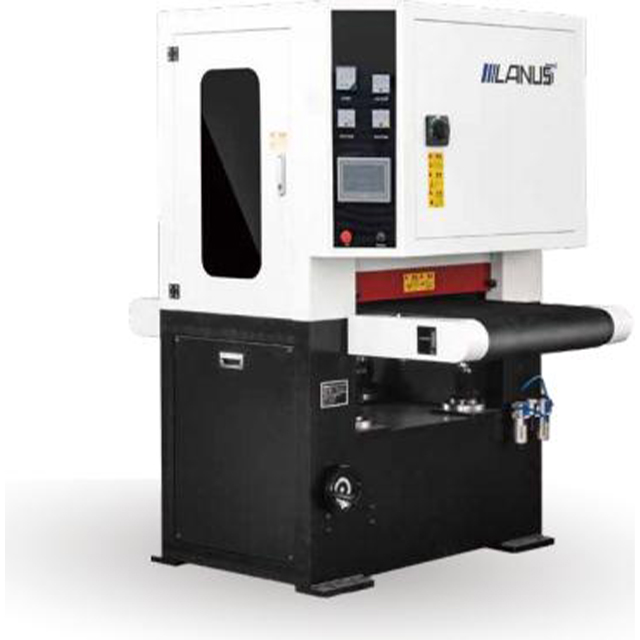
Choosing the correct machine configuration determines your success. Different part geometries require vastly different approaches. You must align the machine's capabilities to your specific production demands.
Wide belt sanders excel at processing flat sheet metal panels. They handle high-volume production environments effortlessly. They work best when your parts feature a consistent coating thickness across the entire surface area. A flat panel moves through the machine, and the wide abrasive belt shears the paint away uniformly.
When evaluating these machines, pay close attention to the contact rollers. You need soft, grooved rubber contact rollers. A softer durometer allows the abrasive to conform slightly to the metal surface. Hard rollers cause aggressive gouging. Grooved patterns help dissipate heat and channel away removed material. This setup ensures you strip the paint without removing critical substrate material.
Not all parts are perfectly flat. You might process panels containing punched holes, louvers, or slight contours. Wide belts struggle here. They can catch on edges or miss recessed areas entirely. Rotary brush machines solve this specific challenge. The flexible abrasive brushes sweep across the part from multiple angles. They reach into crevices effortlessly.
These machines provide slower stock removal than wide belts. However, they are highly effective for delicate gauge metals. They remove the paint smoothly without compromising the base metal structure. Many facilities use an industrial paint removal machine featuring both a wide belt and a secondary rotary brush station.
Modern manufacturing demands versatile equipment. You should look for crossover functionality. A well-configured machine can perform multiple roles. By simply swapping the abrasive media, your equipment transforms. It can easily function as an oxide removal machine. You can switch from aggressive paint stripping to fine edge deburring in minutes. This versatility maximizes your capital equipment utility on the shop floor.
Paint behaves very differently from bare metal under an abrasive belt. If you treat paint like steel, you will destroy your consumables immediately. You must anticipate two massive operational risks.
Paint is thermoplastic. It responds poorly to intense friction. Friction from rapid sanding generates immediate, concentrated heat. This heat melts the paint layer instantly. The liquefied paint then glues itself into the microscopic valleys of the abrasive belt. Industry professionals call this "loading." Once loaded, the belt stops cutting entirely. It simply rubs against the metal, generating even more heat. The belt ruins itself in seconds.
You mitigate this through strict abrasive selection. You must use open-coat ceramic or silicon carbide belts. Open-coat abrasives feature wider spacing between the individual cutting grains. This extra space prevents the melted paint from packing into the belt. The wider gaps allow rapid heat dissipation. They also promote excellent material shedding. Some premium belts feature specialized stearate coatings designed specifically to resist paint adhesion.
Heat presents a secondary, equally severe danger. Thin sheet metal warps quickly when subjected to aggressive friction. If the belt generates too much heat, the metal panel buckles. A warped panel is scrap. You cannot easily flatten it back into tolerance.
You control this risk directly through machine settings. You must evaluate machines featuring variable speed conveyor belts. You also need variable speed abrasive heads. Slowing down the abrasive belt reduces the surface feet per minute (SFPM). Lower SFPM equals lower cutting temperature. Speeding up the conveyor pushes the part through the cutting zone faster. This prevents localized heat buildup in any one spot. Balancing these two speeds ensures you remove the paint while keeping the metal cool and flat.
Different metals require different processing parameters. You cannot run steel and aluminum through the same machine using identical settings. Material optimization is critical for both safety and part quality.
A dry sanding machine for steel demands specific internal configurations. Aluminum behaves differently under friction than steel. Aluminum is softer, stickier, and highly reactive as a dust. You must adjust your approach based on the substrate you process.
Standard powder coats and wet paints applied to steel form extremely durable bonds. You must use aggressive initial grits to break this hard outer shell. We typically start with a 40-grit or 60-grit ceramic belt. This coarse head fractures the tough coating quickly. However, a 40-grit belt leaves deep, undesirable scratches in the bare steel below.
Therefore, processing steel generally requires a secondary conditioning head. This second station uses a finer grit or a non-woven abrasive drum. It smooths out the deep scratches left by the primary belt. This multi-step process ensures proper abrasive surface finishing. The final surface is clean, uniform, and ready for immediate repainting.
Aluminum requires a much lighter touch. You face a significantly higher risk of galling and severe heat distortion. You must use lower contact pressure. You also need distinct abrasive types designed specifically to prevent aluminum from smearing across the belt.
More importantly, you face severe safety hazards. If you process steel and aluminum in the same machine, you risk a thermite reaction. Steel sanding produces iron oxide sparks. Aluminum sanding produces highly combustible aluminum dust. Mixing them inside a dry dust collector creates a potentially explosive environment. You must enforce strict isolation of dust. Dedicated ductwork or thorough wash-down procedures between material changeovers are mandatory.
Navigating the equipment market requires a structured approach. You must look past marketing brochures. Focus purely on features that drive tangible outcomes for your facility.
When reviewing potential equipment, ensure it includes these critical features:
Variable Frequency Drives (VFDs): These are absolutely essential. VFDs allow operators to dial in the exact abrasive speed needed. You can cut paint aggressively without melting it. Without VFDs, you lack the control required for delicate paint removal.
Quick-Change Tooling: Production environments demand flexibility. You want machines that allow rapid abrasive changeovers. This feature reduces costly downtime when switching operations. You can pivot from paint removal to standard edge rounding in minutes.
Vacuum Conveyor Beds: For thin-gauge materials, standard rubber conveyor belts slip. A vacuum bed sucks the sheet metal flat against the belt. It holds the part rigidly in place. This prevents the metal from buckling or shifting under the pressure of the abrasive head.
Safety frameworks dictate your extraction requirements. Atomized paint and metal dust present severe combustible hazards. You must discuss NFPA and OSHA compliance with the equipment manufacturer.
You need to evaluate wet dust collectors versus dry dust collectors. Wet collectors pull the dangerous dust into a water bath. This quenches sparks immediately. It renders combustible dust inert. Dry collectors require complex explosion panels, rotary airlocks, and chemical suppression systems. For mixed-metal environments handling paint, wet collection usually provides the safest compliance path.
Never purchase machinery based on spec sheets alone. Paper specifications rarely tell the whole story. Paint hardness varies wildly. Sheet metal behaves unpredictably under friction. The only verifiable way to test a metal sanding machine for paint removal is physical testing.
You should send painted samples of your exact sheet metal directly to the manufacturer. Ask them to perform a detailed time study. Request a comprehensive finish analysis. This real-world test proves whether the machine can strip your specific coating without damaging your specific substrate.
Metal sanding machines are highly capable of robust paint removal. However, they must be purpose-configured to handle the intense thermal and physical realities of the task. Standard deburring machines will simply load their belts and ruin your parts. Success requires the careful integration of open-coat abrasives, variable speed controls, soft contact rollers, and compliant dust extraction.
To move forward, audit your current scrap or rework volume. Calculate the precise labor hours your team spends on manual stripping or chemical processing. Then, contact a reputable equipment OEM. Request a custom sample processing video featuring your specific painted parts. This data-driven approach ensures you invest in a mechanical solution that truly optimizes your manufacturing workflow.
A: Yes, but powder coat is significantly thicker and more durable. It typically requires a multi-head machine. The first head uses a highly aggressive, coarse abrasive to break the tough coating. The second head then refines the underlying metal.
A: This is machine dependent, but typically down to 20-gauge (approx. 0.035"). This is only possible provided the machine features a vacuum conveyor bed. The vacuum holds the thin material perfectly flat to prevent distortion.
A: Manual methods cause uneven surface removal and inconsistent scratch patterns. These imperfections will show through the new paint layer. Manual sanding also incurs high labor costs. Industrial machines ensure total uniformity, speed, and strict repeatability.
A: Belt life depends heavily on the abrasive's anti-static and anti-loading coatings, your feed speed, and the paint thickness. Proper machine configuration extends belt life from just a few minutes to several full production shifts.


